How to Build Momentum from Your Festival Run
Getting into a film festival is one thing. Building from it is another.
Most filmmakers treat high praise and acceptance as the end goal. What they don’t realize is that the supposed end goal is when the work truly begins. The films that generate buzz from their festival runs aren’t necessarily the winners of the program, they’re the ones with filmmakers who came prepared to keep pushing after the screening ended. This phase is where it all begins.
Once your film is accepted into a festival, prepare your press kit. Reach out to press covering the festival, post on social media about your selection, and begin generating organic buzz. Assuming the screening will do the work for you is the most common mistake on the circuit. Q&As, panels, and networking events are where most of the real opportunity lives. A conversation after a panel can open doors that screening your film alone never would. Also, pay attention to audience reactions in the room, that feedback is data and shapes how you pitch your film going forward.
There’s a common misconception that filmmakers should put all their time and energy into one festival. The films that build real momentum do it gradually. Press coverage from one festival strengthens your submission to the next, and audience response helps shape how you portray the film to distributors and helps identify where it should go next. While building gradually on the circuit helps you, it can also hurt you. It’s important to know when it’s time to move on. Distribution windows are real, and the longer a film circulates without transitioning to wider release, the more difficult that transition becomes. The goal of a festival run is to set up what comes next.
Every time your screener goes out to a programmer, press contact, friend, etc, you should know what happens to it. Hosting your video on KNOWN gives filmmakers real-time data on every moment of anyone’s viewing experience, how far they got, where they turned the brightness down or up, where they paused and continued, you name it. It tells you whether your film is landing the way you think it is, and helps you make smarter decisions about how and where to share it next.
More from Hiike
Continue reading

A 22-Year-Old Filmmaker Is Giving a Stranger on the Internet $100K to Make a Movie
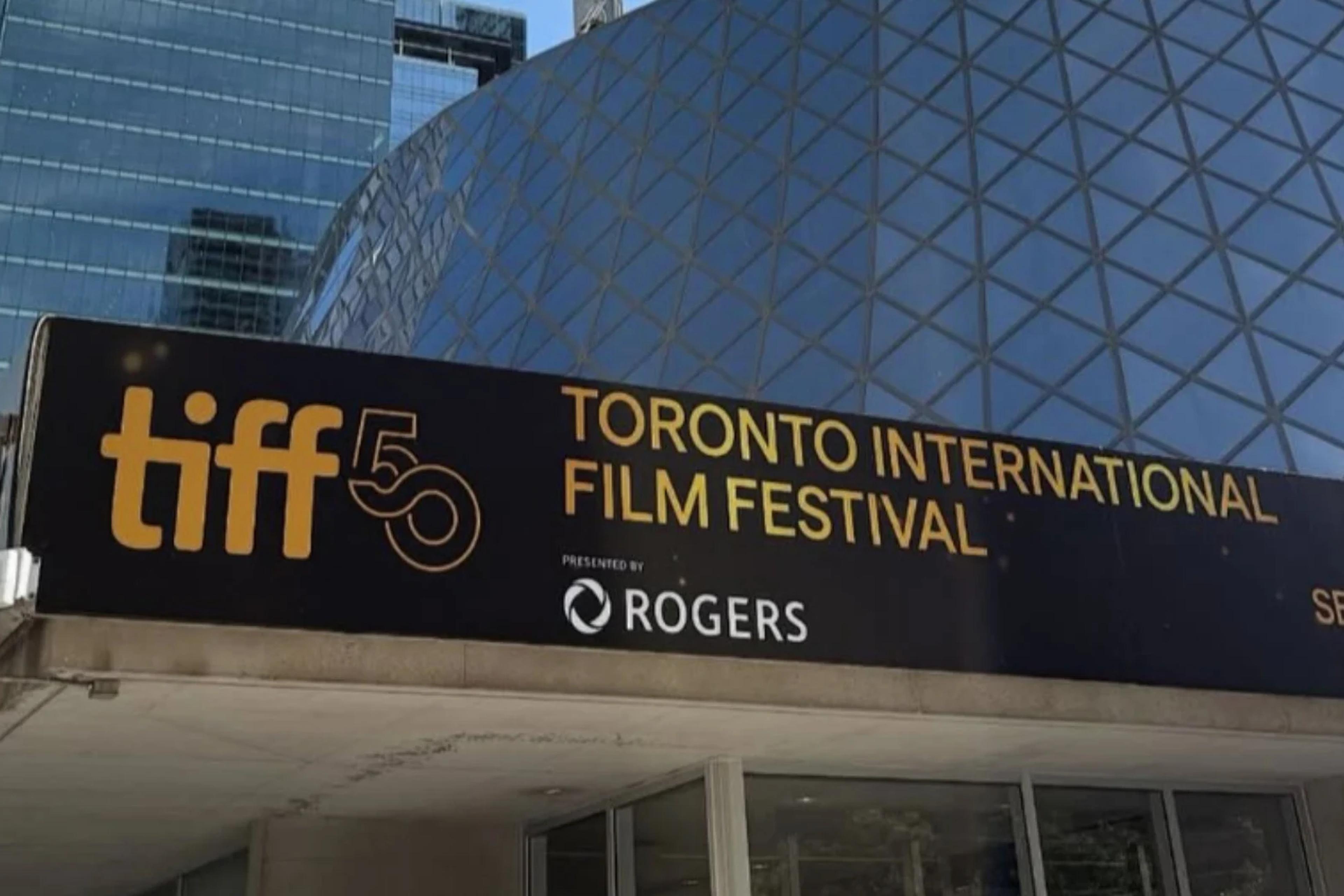
6 Films at TIFF 2026 That Could Land the Next Big Distribution Deal

