What the Skydance Merger Means for Indie Film
What happens when one of Hollywood's biggest companies has every reason to play it safe?
This month, Paramount officially closed its roughly $110 billion acquisition of Warner Bros. Discovery, forming Skydance. This merger now puts Paramount, Warner Bros., HBO, CBS, and CNN under the same roof.
The biggest impact: a bigger studio, with more franchises and more debt, has every incentive to stick with safer bets. This leaves original, riskier films to independent buyers, at a time when there are fewer of them than ever.
A record box office year built on safe bets
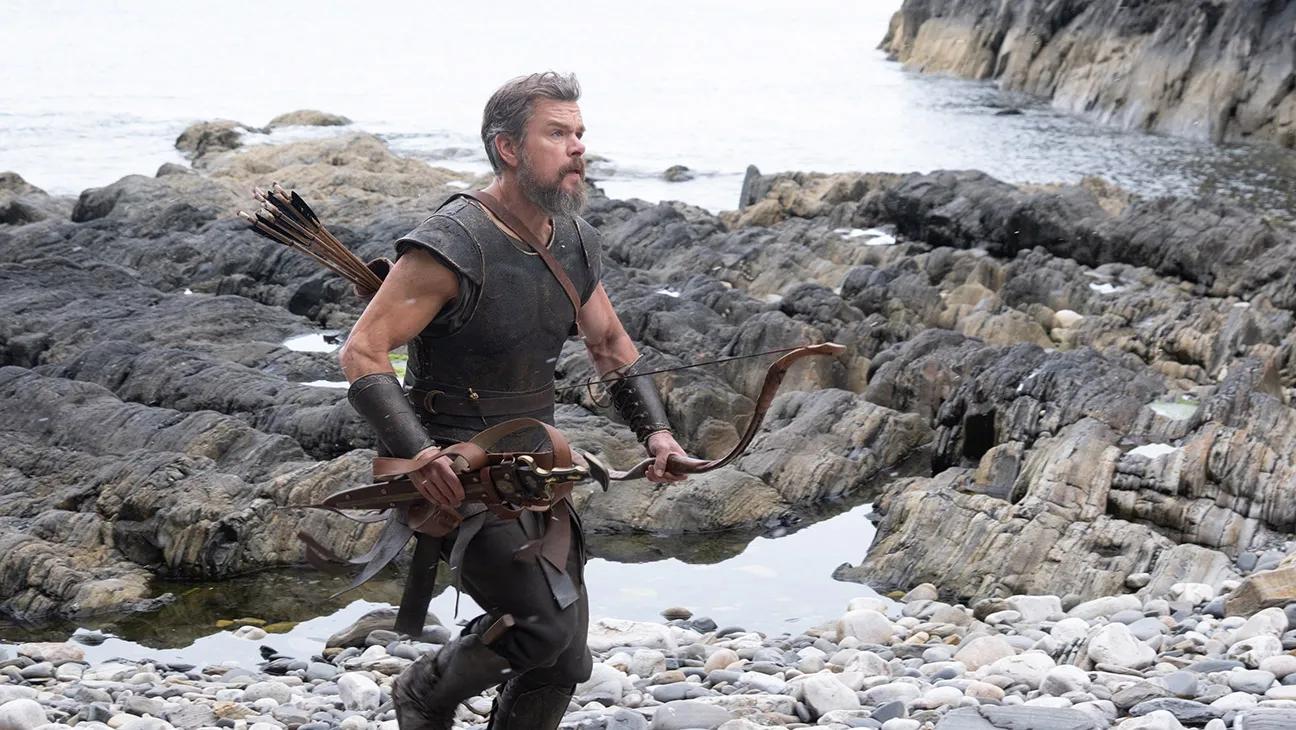
While this year was notably a historic one for the box office, it was led by franchises and familiar names, including Spider-Man: Brand New Day and The Odyssey. Skydance now owns Harry Potter, DC, Top Gun and Mission Impossible, with it carrying tens of billions in debt, and chasing $6 billion in savings. When safe bets pay off this well, a company that size has every reason to make more of them. One film financier warned in the Hollywood Reporter that the merger would mean fewer green lights and creative risks in the future.
Fewer places to sell an indie film
Paramount and Warner Bros. haven’t been major buyers of indie films in years. Paramount even passed on River, this year’s biggest TIFF sale. However, this merger speeds up a trend that’s already been on the minds of independent filmmakers. Fewer companies now decide what gets made and bought, and the proof is there. At Sundance, films acquired and then released in theaters fell from 104 in 2019 to 53 in 2025. Films reaching US theaters without ever being acquired rose from 4.7% of releases in 2021 to 21% in 2025.
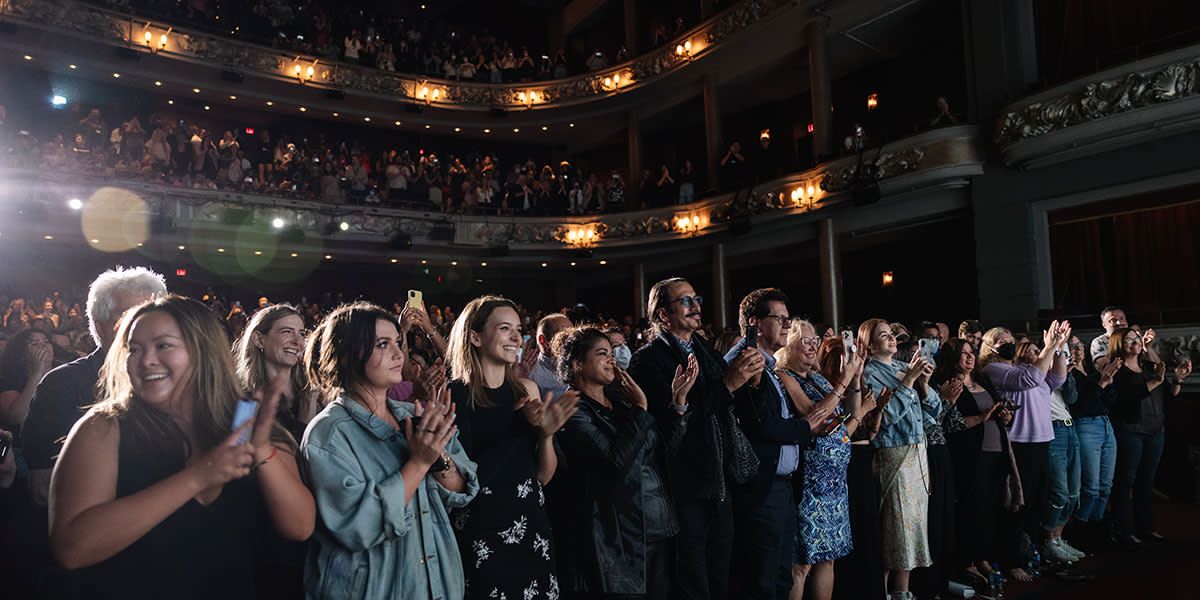
More independent filmmakers are getting their work into theaters themselves, without a buyer. This also means more of the financial risk weighs on them, which at times isn’t sustainable.
For documentaries, the impact of this merger is more direct with HBO Documentary Films, one of the last major buyers of independent documentaries now sitting inside Skydance.
Where indie film goes from here
Here’s the ironic thing: some of this year’s biggest breakthroughs were exactly the kind of risks a bigger studio is less likely to take. Obsession and A24’s Backrooms made over $900 million combined on low budgets. Audiences clearly want original films. The question is who will keep backing them.
Some of that backing is already apparent. Fjord gave Neon its 7th straight Palme d’Or winner, and it had the best per-theater opening of its October opening weekend. Indie distributor Bleecker Street was recently bought out by Outerlight Entertainment, which says Bleecker will keep acquiring films.
Filmmakers and festivals are building their own paths too. The Venice prize-winning doc NAZA was too controversial for the major indie studios, so its producers released it themselves, and it grossed over $500,000 in theaters. TIFF launched its first formal market this year and registered 19% more buyers.
What’s the silver lining?
While it may seem like a negative outlook for the industry, there is a silver lining here. The settlement that cleared the merger came with real commitments that help indie film, even if they’re modest.
Skydance has to set up an Independent Film Fund of at least $5 million a year and release at least four independent films a year. It’s a small pot and number, but it is money and theater slots that didn’t exist before. The company also has to release at least 30 films a year, each with a 45-day theatrical window, which keeps audiences engaged with the theaters independent films rely on. Plus, an extra $1.5 billion in domestic production over five years means more work for the same crews being hired in the industry.
There’s an upside to the safe-bet problem too. If the biggest studios stick to familiar names, original films are left to independent distributors and the filmmakers who make them, and audiences have already made it clear they’ll support them.
For independent filmmakers, the takeaway isn’t to panic, it’s to plan. Build your audience before you need a buyer, treat a distribution deal as a bonus rather than the plan, and keep an eye on the Independent Film Fund, which should be set up by early November. The biggest studio may be playing it safe, but that leaves more room for everyone else to take the risks audiences keep rewarding.
As always, find and submit to the best festivals or manage your own festival on The Circuit by Hiike Independent.
More from Hiike
Continue reading

River's $10M TIFF Acquisition and What It Means for Genre Film
A 22-Year-Old Filmmaker Is Giving a Stranger on the Internet $100K to Make a Movie